Empowering Your Journey: A Comprehensive Guide to Cancer Care and Support
The journey through cancer care is a complex labyrinth that many find daunting. Diagnosed with a malignant tumor or facing a carcinoma battle, navigating through the myriad of treatment options can feel overwhelming. However, understanding your path, from the moment of diagnosis to survivorship, is essential. As one survivor put it, "The journey might be long, but every mile brings you closer to healing." So, how do you prepare yourself for this journey, and what steps can you take for effective cancer care?
First, let's consider the importance of patient education. The initial shock of a diagnosis can cloud judgment, but arming yourself with information is a powerful antidote. Knowledge about your condition, whether it's a neoplasm or another type of cancer, can make all the difference in understanding treatment options like immunotherapy, clinical trials, or palliative care. Have you ever stopped to think about how much control you can regain simply through knowledge?
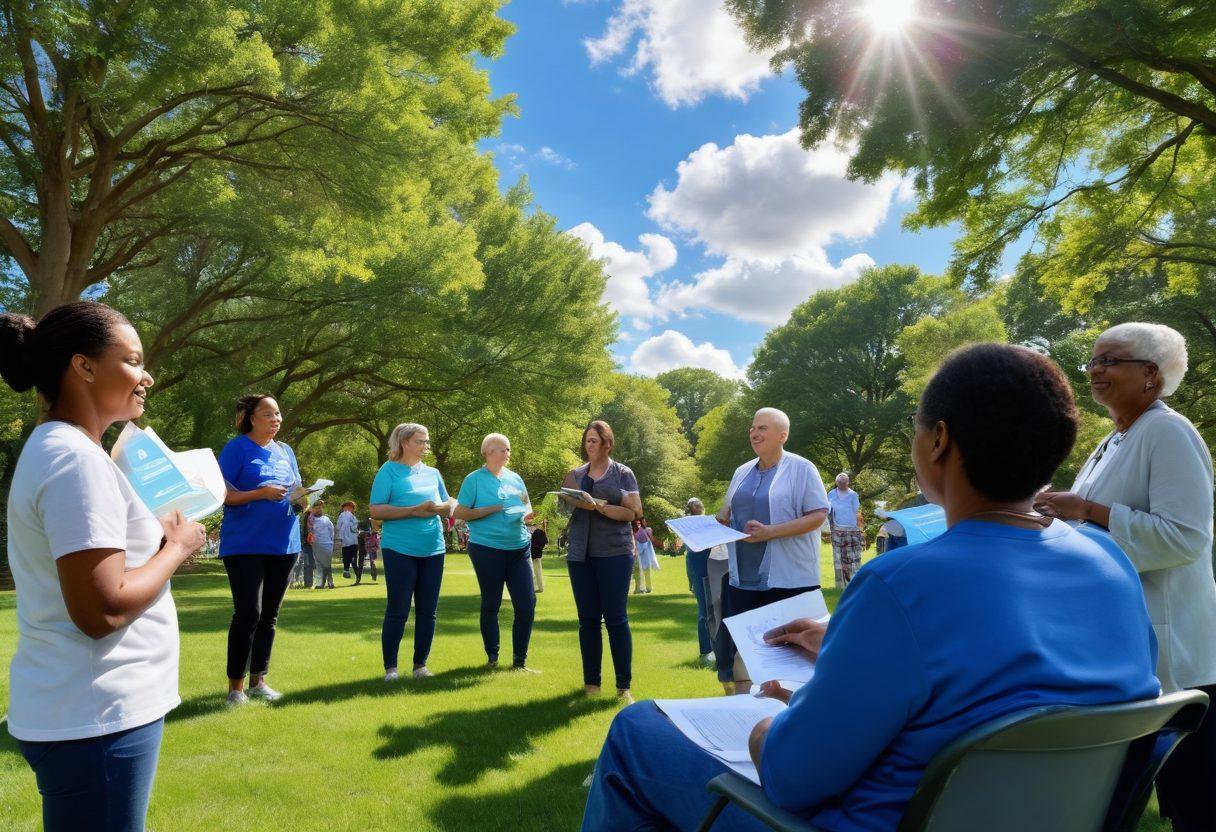
Equally vital to your health is emotional support. It’s no secret that living with cancer can take a toll on your mental well-being. This is where cancer advocacy and support groups come into play. These communities offer understanding, sharing, and most importantly, a voice. The stories shared can carry a weight of experience, resonating with your own struggles. So, have you embarked on the journey of finding a support group that resonates with your story?
Moreover, our lifestyles factor significantly into our cancer care. Adopting health information that prioritizes nutrition and self-care can pave the way toward not only recovery but also enhance overall well-being. Simple lifestyle changes can be effective – from embracing a holistic health approach to nutritional support that fortifies your body during treatments. Have you considered how your daily choices shape your cancer care journey?
Ultimately, the path of survivorship is not just an endpoint but a continuous process of growth and awareness. Engaging with medical research, participating in community events, or even taking to medical blogging can empower you and others facing similar battles. Your story may be the inspiration another person needs to start their journey. So ask yourself, how can you be a beacon of hope in the cancer care landscape?
Unlocking the Secrets of Holistic Health in Oncology Support
When it comes to cancer care, the journey often feels overwhelming. With so much information out there, how can you decipher the secrets of holistic health in oncology support? Imagine standing at the edge of a vast ocean, with waves of knowledge crashing around you. You want to dive in, but the depth and complexity are intimidating. However, taking a step back, finding your footing, and understanding the essentials of holistic health can transform this ocean into a serene river, guiding you smoothly through your experience with cancer.
Holistic health in oncology aims to treat the whole person, not just the tumor. This approach considers your physical, emotional, and social well-being, moving beyond the physicality of malignant growths, neoplasms, or even carcinoma. Have you ever thought about how your mental state can affect your physical health? Incorporating practices such as mindfulness, yoga, and meditation can enhance your overall health, especially during cancer treatment. Aligning your mental and physical states can empower you against even the fiercest forms of cancer, turning fear into strength.
Support groups act as safe havens for those navigating their cancer journeys. Within these communities, individuals can share their stories, discuss treatment options like immunotherapy or clinical trials, and find solace in knowing they are not alone. "Together, we are stronger" rings particularly true in such settings. Have you ever reached out for emotional support or found comfort in sharing experiences? It’s a simple yet powerful reminder that seeking help is not a weakness but rather a courageous step towards healing and survivorship.
Nutrition plays a pivotal role in cancer care. What you eat can drastically impact your body’s ability to fight off malignant cells. Nutritional support in oncology can be as crucial as the most advanced treatment options. Lifestyle changes, including adopting a balanced diet rich in fruits, vegetables, and whole grains, can empower your body to heal. Did you know that certain foods not only fuel your body but can also enhance your treatment's effectiveness? Through patient education, you’ll learn how to eat wisely and make informed choices that promote cancer prevention and overall wellness.
Lastly, self-care is often the unsung hero of cancer care. While interacting with healthcare professionals is necessary for diagnosis and treatment, prioritizing self-care practices can enhance your quality of life. Simple acts of kindness towards yourself—like enjoying a sunset, taking a leisurely walk, or pursuing hobbies—are vital. This holistic approach reminds us that fighting cancer is not merely a battle against cells; it’s a journey towards a better, healthier self. Are you ready to embrace these secrets of holistic health and empower your journey through cancer care?
Empowering Patients: Essential Resources for Cancer Advocacy and Care
In the midst of a cancer journey, feeling overwhelmed and uncertain is completely normal. It can feel like your life is thrown into a whirlwind of doctor's appointments, treatment options, and emotional challenges. However, this journey does not have to be taken alone. With the right resources at your fingertips, empowering patients to take control of their cancer care can inspire hope and resilience. Imagine a roadmap to navigate through the complexities of oncology, and that's precisely what we're here to explore.
Cancer advocacy is more than just a catchphrase; it is a powerful movement aimed at empowering individuals diagnosed with various forms of cancer, such as malignant neoplasms and carcinomas. Equipped with knowledge, patients can challenge the stigma often associated with their diagnosis. When facing a serious condition like cancer, the right information can make all the difference. It transforms fear into action, allowing patients to engage meaningfully in their care, seek out clinical trials for treatment options, and advocate for necessary lifestyle changes that support their holistic health.
One of the first steps in any cancer journey is education. The more you know about your specific type of cancer—whether it’s a carcinoma or a tumor—the better equipped you are to participate in the decision-making process regarding your treatment options. Health information is readily available from various channels such as medical blogs, support groups, and health organizations. By connecting with others, patients can share experiences, gather emotional support, and learn about the latest advancements in medical research like immunotherapy. How does one begin this process of self-education? Start by asking questions and seeking out reliable sources. Remember, there is strength in asking for help.
Survivorship is another critical aspect of cancer care that deserves attention. Life post-diagnosis can be a rollercoaster of emotions. Incorporating self-care into daily routines becomes essential for recovery, both physically and emotionally. Nutritional support, for instance, plays an important role in enhancing the quality of life. Opting for healthy lifestyle changes, like a balanced diet and regular exercise, can be just as vital as undergoing treatment. Furthermore, emotional support from friends, family, or professional counselors can offer the reassurance needed to make this journey feel less isolating.
Lastly, let's not overlook the importance of palliative care. This form of care is often misunderstood; it’s not just for end-of-life scenarios but is about providing relief to those with serious illnesses throughout their journey, focusing on quality of life. The goal of cancer advocacy, overall, is to create a supportive environment where every patient feels not just like a diagnosis but a warrior in the battle against cancer. With essential resources at your disposal, you can transform your experience, harnessing the power of the community and knowledge to support your journey through cancer care.